Digital Transformation and Transparency in Algeria’s Hydrocarbon Sector: A Governance Perspective
Keywords:
Governance, digital transformation, transparency, hydrocarbon sectorAbstract
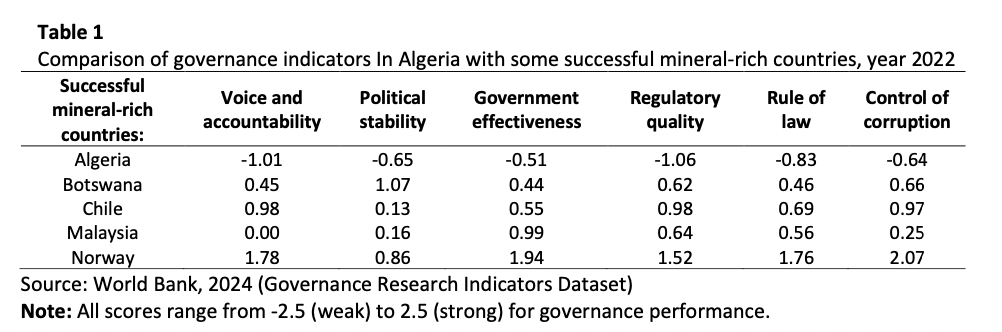
This article examines governance challenges and digital transparency reforms in Algeria’s hydrocarbon sector from an institutional perspective. Given the sector’s central role in the national economy, weak governance, limited transparency, and persistent corruption have constrained effective resource management and economic diversification. Drawing on a descriptive-analytical approach, the study analyzes institutional reports, legal frameworks, governance indicators, and recent digital initiatives to assess the evolution of governance practices. The findings reveal a significant gap between Algeria and successful resource-rich countries in terms of accountability, regulatory quality, and control of corruption. While recent reforms such as digital compliance platforms, whistleblowing mechanisms aligned with international standards, and national anti-corruption strategies signal a gradual shift toward improved transparency, their impact remains limited by structural and institutional constraints. The study argues that digital transformation can enhance governance only when embedded within broader institutional reforms. Strengthening transparency, enforcement, and oversight is essential for improving the investment climate, reducing rent-seeking behavior, and promoting sustainable management of hydrocarbon resources in Algeria.