Assessing Research Trajectories in Border Services Personnel’s Safety, Health, and Well-Being: An Integrated Scientometric and Scoping Analysis (2000–2025)
Keywords:
Border services personnel, Mental health, Well-being, Scientometric analysis, Scoping reviewAbstract
This review provides the first integrated scientometric–scoping synthesis of global research on the safety, health, and well-being of border services personnel from 2000 to 2025. Using ScientoPy and VOSviewer, publication trends and thematic evolutions were mapped from Scopus and Web of Science, while a SPIDER-guided scoping analysis consolidated empirical insights across high-risk border environments. This dual-lens approach uncovers a previously unreported shift in the field: research has moved decisively from traditional clinical and health-service perspectives toward psychologically driven, behaviour-based models centred on mental health, stress, and adaptive well-being. A key contribution of this review is the identification of the Theory of Planned Behaviour (TPB) as an emergent, dominant framework shaping contemporary scholarship, highlighting a new paradigm that emphasises attitudes, subjective norms, and perceived behavioural control in explaining safety and mental health behaviours among border personnel. The review also proposes a forward-looking research agenda addressing overlooked areas, including social support systems, organisational climate, cultural influences, and resilience-building interventions. By establishing the intellectual evolution, exposing critical blind spots, and proposing a behavioural-science–anchored research direction, this review offers a novel roadmap for advancing evidence-based strategies to strengthen the operational readiness and well-being of border services personnel.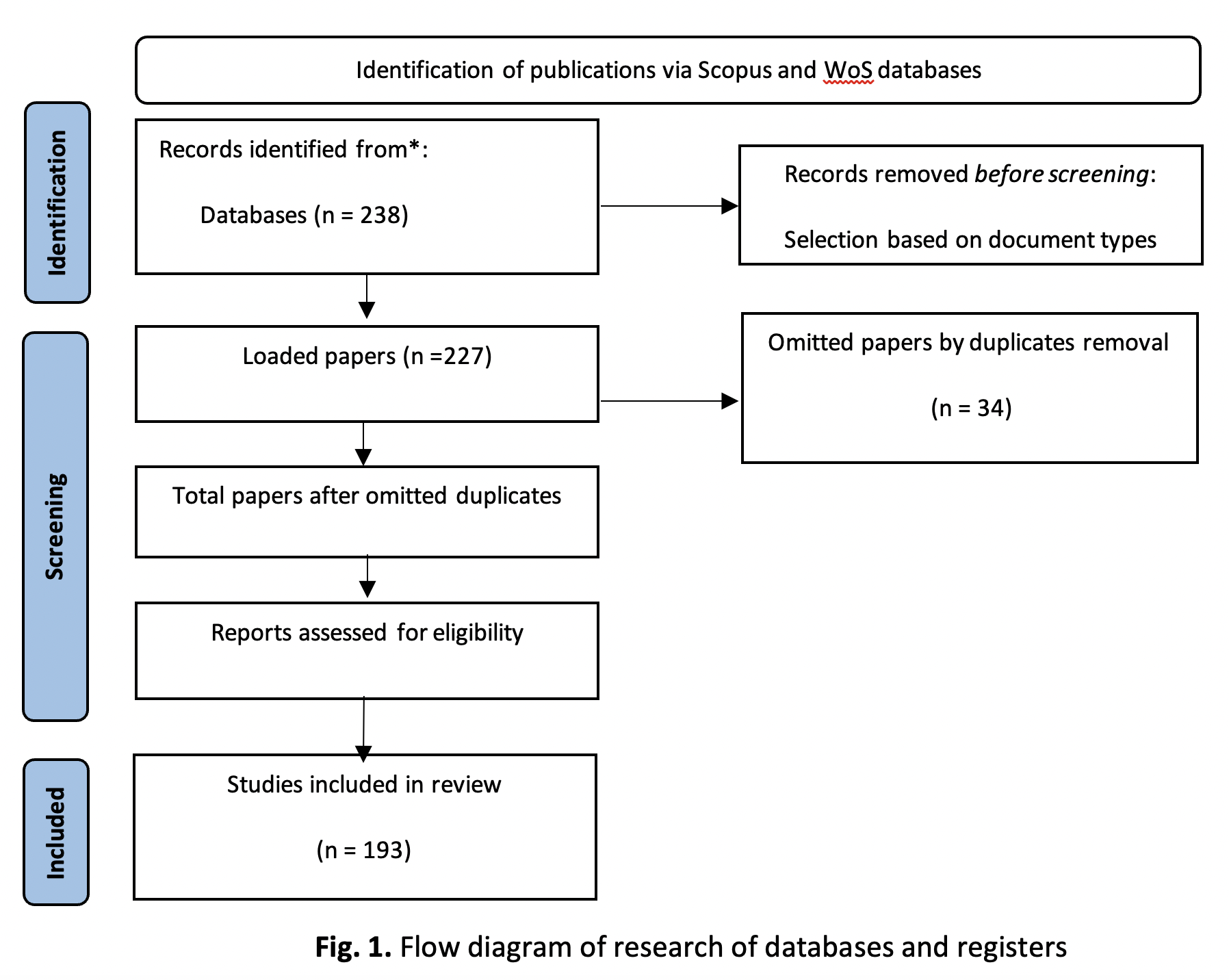
Downloads
Published
2026-02-11
How to Cite
Noor Arzahan, I. S., Akbar, F. H., Md Radzi, E., & Ishak, A. (2026). Assessing Research Trajectories in Border Services Personnel’s Safety, Health, and Well-Being: An Integrated Scientometric and Scoping Analysis (2000–2025). Journal of Health and Quality of Life, 9(1), 42–58. Retrieved from https://karyailham.com.my/index.php/jhqol/article/view/941
Issue
Section
Articles