Prediction of Lysine Malonylation Sites Using Ensemble Learning
Keywords:
Lysine Malonylation, ensemble learning, feature extraction, machine learningAbstract
Protein post-translational modifications (PTMs) serve as crucial regulators of protein function, referring to chemical modifications of proteins coordinated by PTM enzymes, which play key roles in numerous physiological processes. To date, over 400 distinct types of PTMs have been identified. Malonylation, a newly discovered PTM, involves the chemical modification of positively charged lysine side chains and participates in the regulation of human metabolism, demonstrating significant associations with functional and structural alterations. In this project, we extracted sequence feature information by integrating coupled information from protein sequences with general pseudo-amino acid composition (PseAAC). Multiple ensemble learning methods were employed to train and classify imbalanced datasets. Results from cross-validation models and independent test sets indicate that our approach outperforms existing predictors in terms of Sn (sensitivity) and MCC (Matthews correlation coefficient). Given the importance of Sn and MCC for imbalanced data, the overall improvement achieved remains substantial.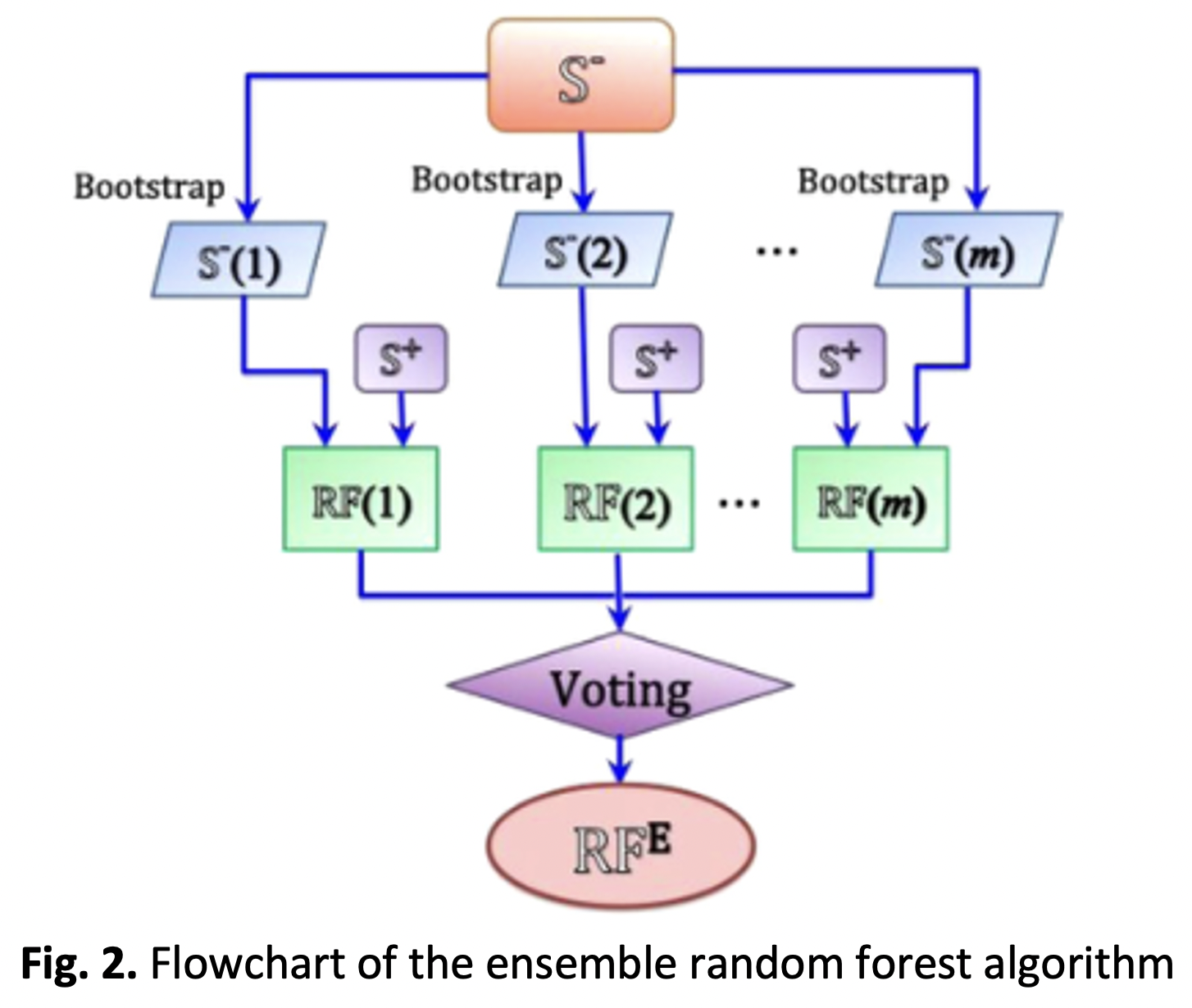
Downloads
Published
2026-05-12
How to Cite
Xin Wei, & Muhammad Akmal Remli. (2026). Prediction of Lysine Malonylation Sites Using Ensemble Learning. ASEAN Artificial Intelligence Journal, 5(1), 1–11. Retrieved from https://karyailham.com.my/index.php/aaij/article/view/1051
Issue
Section
Articles