Simulation and AI Integration of a Holographic Voice Assistant for Wearable Applications
Keywords:
wearable technology, AI, Holographic Image, MATLAB, Python, Smartwatch, Assistive educationAbstract
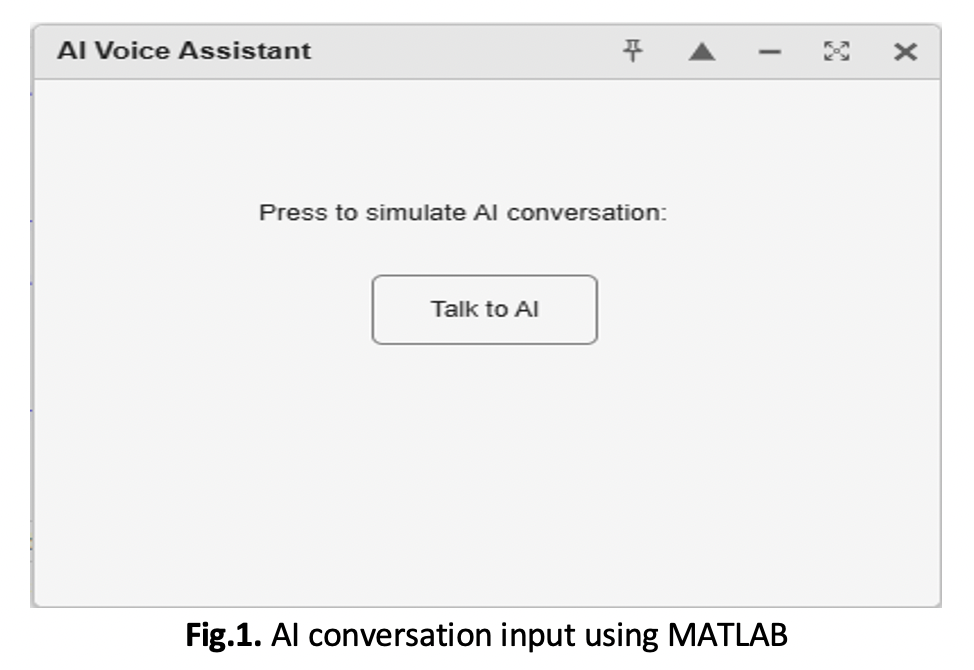
This study describes the design and simulation of an AI-powered holographic smartwatch that can converse naturally with its user and display holographic-style images.The project started out as an academic endeavor to investigate the potential integration of low-power embedded systems, natural language processing, and artificial intelligence into a single wearable platform. We developed a comprehensive virtual model using MATLAB, Simulink, and Python that can take spoken input, process it using an AI language model, and provide lucid audio responses with a simulated holographic animation. Even with the addition of background noise, the speech was still understandable, and the average response time in the simulation was less than two seconds. The cost and environmental impact were kept to a minimum because no electronic materials were wasted during early experimentation because the entire system was validated through software. Holographic visualization has been very interesting in both classrooms and exhibitions.