Modelling Consumer Preferences for Islamic Banking Products: Empirical Evidence from Malaysia
Keywords:
Consumer behaviour, Islamic banking, consumers’ preferencesAbstract
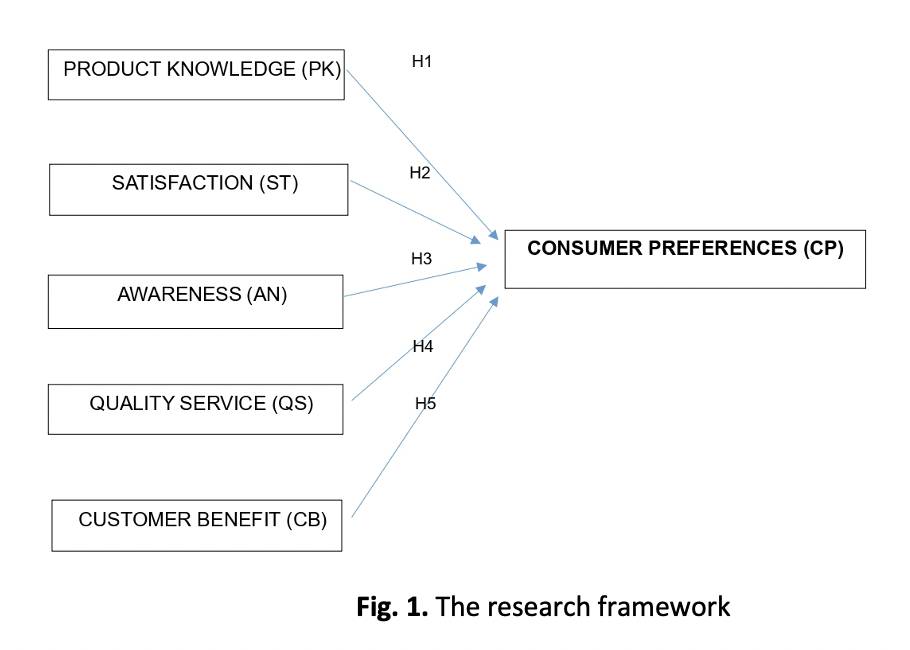
This study explores consumer preferences for Islamic banking products and services in Peninsular Malaysia, with particular attention given to the factors that may shape customers’ inclination toward Islamic banking as opposed to conventional banking alternatives. This study was conducted due to a problem of little interest among consumers in switching to Islamic banking, as
some Malaysians perceive Islamic banking products as no different from conventional banking. Thus, the purpose of this research was to find the right strategy to resolve this issue, hence would improve the overall demand of Islamic banking products. To achieve this objective, the study utilised a quantitative method approach, in which primary data were collected through a self-administered questionnaire distributed to bank customers. A total of 259 valid responses were analysed using SPSS version 27. Grounded in the Theory of Planned Behaviour (TPB), the study further examines the determinants of consumer preference by focusing on five key factors: consumer product knowledge, satisfaction, awareness, service quality, and customer benefit. The results suggest that these five factors play a meaningful role in influencing customers’ preferences to fully utilise the Islamic banking services available to them. The conclusion can be made that the significant outcomes of the five determinants found in this study may offer practical insights for banking practitioners, particularly those operating within the Islamic banking sector, by providing a clearer understanding of consumer behaviour and preference patterns. These insights may assist Islamic banks in improving marketing strategies, encouraging product development and innovation, and enhancing overall operational effectiveness within the Islamic finance industry in Malaysia as well as in the international market.