cover
THE PUBLISHER

SUBMISSION
AIMS AND SCOPE
Journal of Advanced Research in Business and Management Studies (ARBMS) is an international, double-blind refereed, gold open-access academic journal with the aim to foster academic research by publishing original articles in all areas of business and management. The journal encourages researchers, students, entrepreneurs and business practitioners to share their latest findings, ideas and experiences related to business and management issues.
The journal accepts original research report, letters, review article, and report of case studies in the following two sections:
- Management
Encourages submissions that cover any area of management, including financial management, operations management , entrepreneurship, innovation, human resource management and careers, strategic management, management education and development, critical management studies, organizational behaviour, organizational change , and organization and management theory.
- Business
Encourages submissions that cover any area of business, including accounting, business management, business strategy and risk, finance, marketing, entrepreneurship, international business, taxation, banking , entrepreneurship, e-business, etc.
Keywords
INDEXING AND ABSTRACTING







Journal of Advanced Research in Business and Management Studies (ARBMS) is licensed under a Creative Commons Attribution-NonCommercial 4.0 International License.
DISTRIBUTION OF AUTHORS
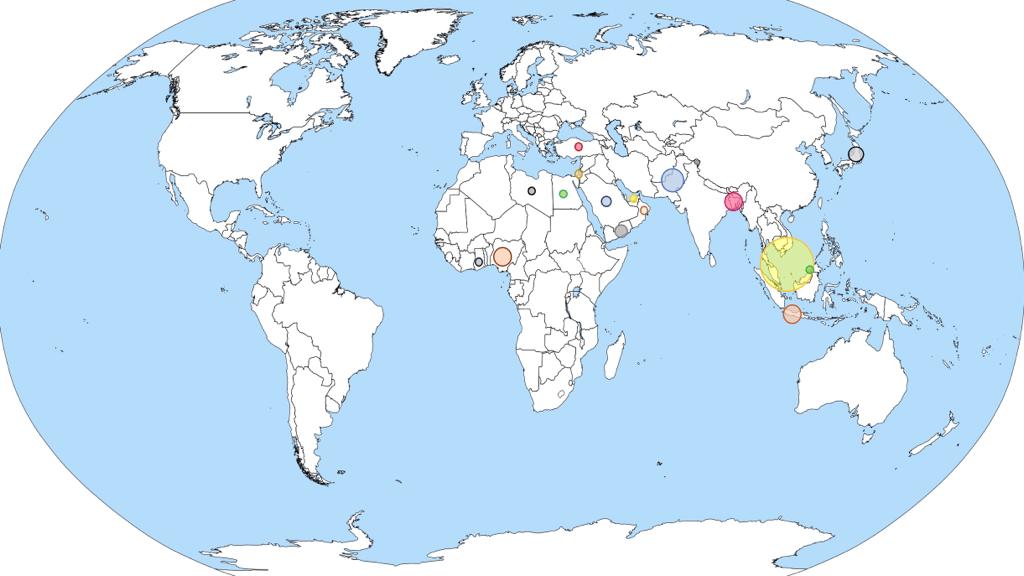
Malaysia, Nigeria, Japan, Palestine, Saudi Arabia, Indonesia, Pakistan, Philipines, Oman, Mexico, South Africa, Ghana, Bangladesh, Taiwan, Australia, Jordan, United Kingdom