Teaching Accountants to Doubt: Professional Skepticism as a Critical Competency in Accounting Education in the Era of Artificial Intelligence
Keywords:
Artificial intelligence, generative artificial intelligence, professional skepticism, professional judgment, accounting educationAbstract
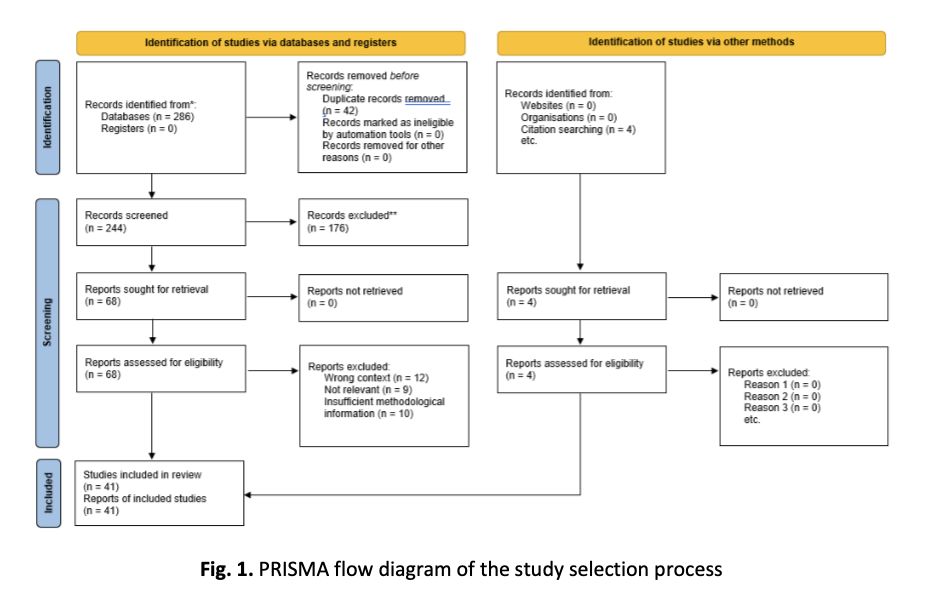
The integration of artificial intelligence (AI) in accounting education has enhanced learning efficiency and accessibility. However, concerns have emerged regarding students’ overreliance on AI-generated outputs and its potential impact on professional skepticism, a critical competency for accounting professionals. This study examines the role of professional skepticism in AI-enabled accounting education through a systematic literature review. Relevant studies published between 2020 and 2026 were retrieved from major academic databases and analysed using a structured screening process. The findings indicate that excessive reliance on AI may reduce students’ critical evaluation of accounting information, while professional skepticism remains essential for exercising independent judgment and assessing the reliability of AI-generated outputs. The study concludes that AI should complement rather than replace the development of critical professional competencies. These findings provide useful insights for accounting educators and curriculum developers in preparing future accountants for an increasingly AI-driven profession.