
Self-Regulation Strategies among UMK Students in Online learning Environment

Authors

  • Ng Poh Siang Faculty of Data Science and Computing, Universiti Malaysia Kelantan, Kota Bharu, Kelantan, Malaysia
  • Fatin Nur Athirah Abdul Azim Faculty of Data Science and Computing, Universiti Malaysia Kelantan, Kota Bharu, Kelantan, Malaysia
  • Nurul Aina Mohd Shaharani Faculty of Data Science and Computing, Universiti Malaysia Kelantan, Kota Bharu, Kelantan, Malaysia
  • Fatin Nur Alya Khairuzzaman Faculty of Data Science and Computing, Universiti Malaysia Kelantan, Kota Bharu, Kelantan, Malaysia
  • Fakhitah Ridzuan Faculty of Data Science and Computing, Universiti Malaysia Kelantan, Kota Bharu, Kelantan, Malaysia
  • Nurzulaikha Abdullah Faculty of Defence Science and Technology, Universiti of National Defence Malaysia, Kuala Lumpur, Malaysia

Keywords:

Self-regulated learning online learning, educational, university student

Abstract

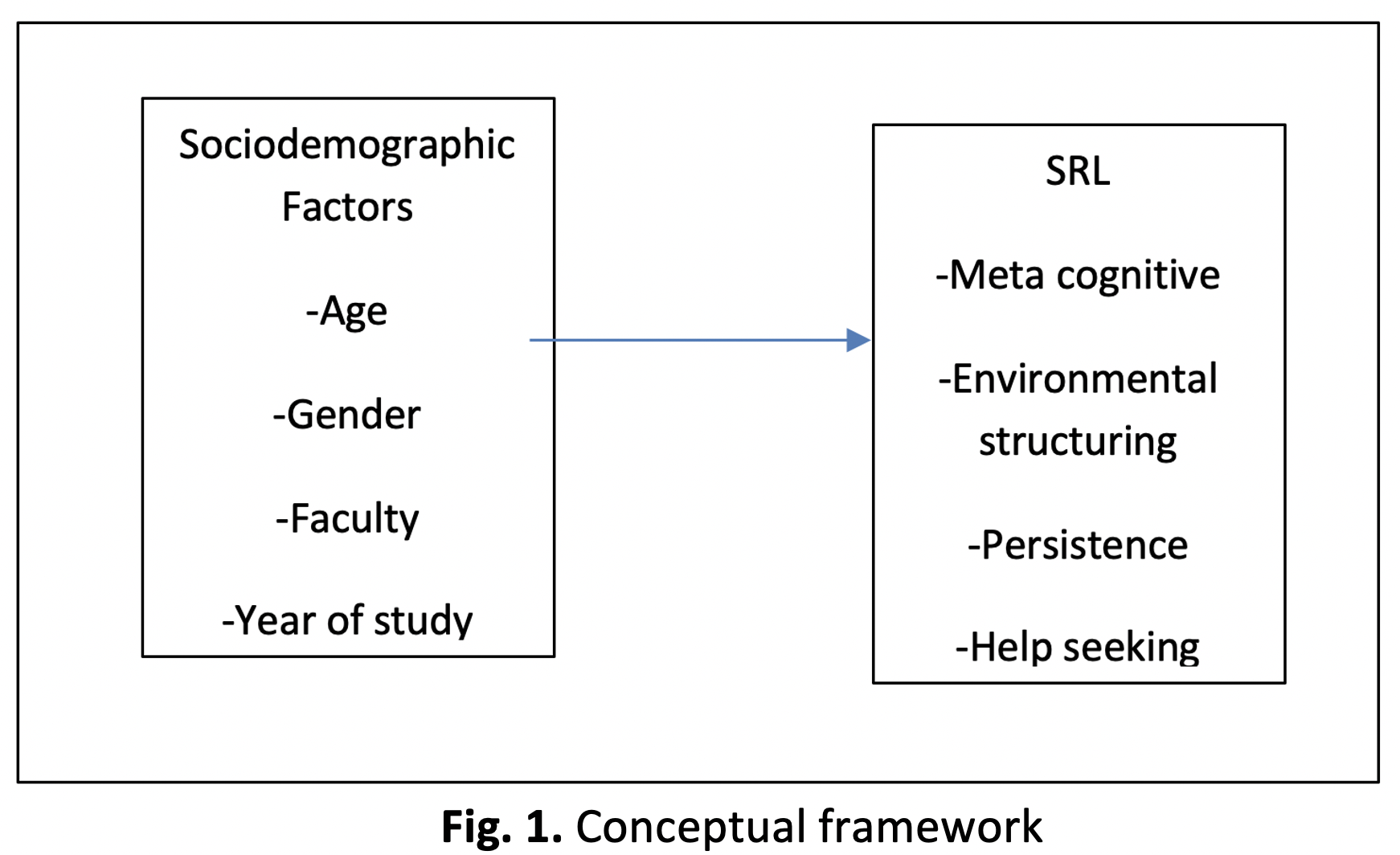
The rapid expansion of online education has necessitated a closer examination of self- regulated learning (SRL) strategies among university students. Understanding SRL strategies can help enhance educational outcomes and student engagement in online learning environments. This study investigates the SRL strategies employed by students at Universiti Malaysia Kelantan (UMK) in their online learning activities. Data were collected using the Self-Regulated Online Learning Questionnaire (SOL-Q) from 100 UMK students across various faculties and year levels. The analysis included descriptive statistics, t-tests, ANOVA, chi-square tests, correlation analyses, and regression analysis to explore the influence of demographic factors on SRL scores. The results indicated no statistically significant differences in SRL scores based on faculty, year of study, gender, or primary device used. Additionally, a multiple regression analysis revealed that these demographic factors collectively explained only a small portion of the variance in SRL scores. Individual learner characteristics, rather than demographic factors, play a more critical role in influencing SRL strategies. This study emphasizes the need for broad and inclusive interventions to enhance SRL skills among university students in online learning environments. Future research should explore additional factors such as psychological traits, learning environments, and instructional methods to better understand and support SRL in diverse educational settings.

Author Biography

Nurzulaikha Abdullah, Faculty of Defence Science and Technology, Universiti of National Defence Malaysia, Kuala Lumpur, Malaysia

nurzulaikha.mal@umk.edu.my

Downloads

Published

2025-10-18

Issue

Section

Articles