Scan, Pay, and Go? Unpacking the Barriers to Cross-Border QR Payments through the Lens of VAM
Keywords:
Cross-border QR mobile payment, Malaysian outbound tourists, Value-Based Adoption Model, perceived valueAbstract
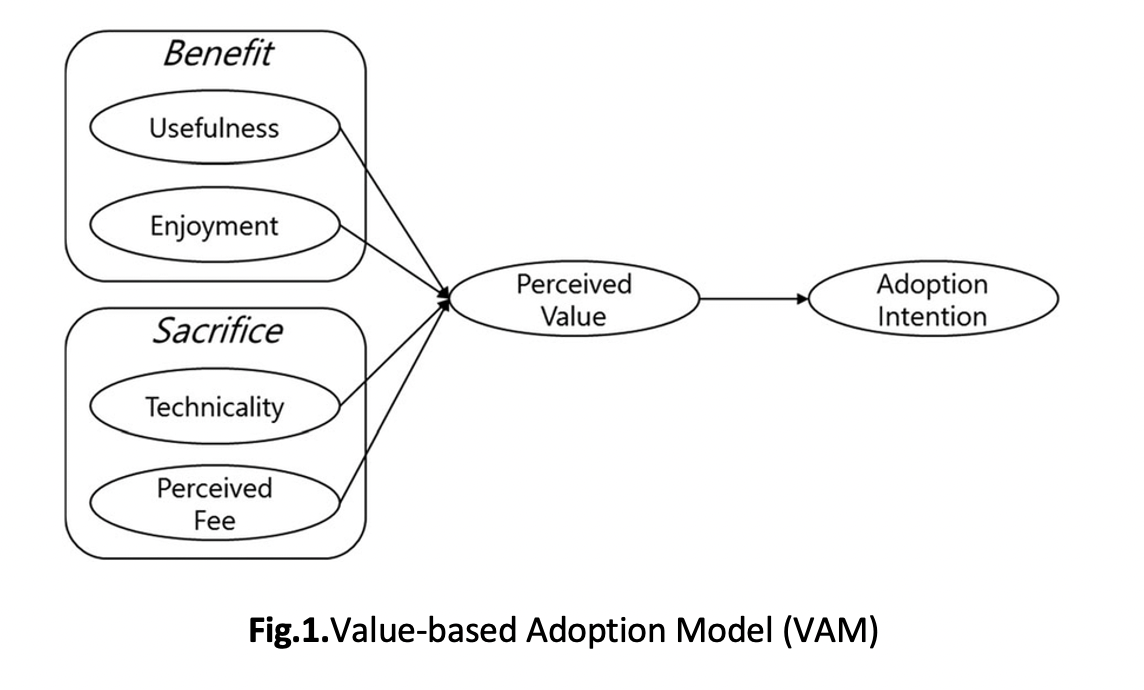
The Value-Based Adoption Model (VAM) theory provides an important framework for understanding the use of QR mobile payments across borders, especially in terms of international transactions. Meanwhile, the adoption of mobile payment systems is growing in the domestic context. However, the adoption of mobile payments across borders still remains inconsistent, mainly among outbound Malaysian tourists. There are several factors that lead to this inconsistency. Firstly, the mobile QR payment operation mechanism used in other countries is unfamiliar to many Malaysian travellers, leading to uncertainty and doubt. Secondly, high exchange rates and additional service fees will discourage users from using mobile payments in the international context. Thirdly, concerns over data security, fraud, and differing regulatory protections across borders increase the perceived risk of using such systems. Furthermore, the lack of trust in foreign FinTech providers and the limited visibility of internationally recognized support contribute to this inconsistency. This paper investigates the origins, strengths, and limitations of VAM and its application in cross-border QR mobile payments. By integrating constructs such as perceived value, benefit, cost, and risk, this study provides a theoretical lens to analyse digital consumer behaviour and can contribute to the existing body of knowledge by offering theoretical extensions to VAM. Besides that, it can provide actionable insights for FinTech developers, policymakers, and tourism industry stakeholders aiming to improve QR mobile payment adoption among international travellers.