Integrating Artificial Intelligence in Design-Based Learning: A Systematic Literature Review Guided by Self-Determination Theory

Authors

  • Nurhayati Zulkeply College of Built Environment, Universiti Teknologi MARA (UiTM) Seri Iskandar, Perak, Malaysia
  • Irwan Mohammad Ali Faculty of Built Environment, Universiti Teknologi MARA (UiTM) Perak Branch. 32610 Seri Iskandar, Perak, Malaysia
  • Mohd Asrul Hassin Faculty of Built Environment, Universiti Teknologi MARA (UiTM) Perak Branch. 32610 Seri Iskandar, Perak, Malaysia

Keywords:

Generative artificial intelligence, GenAI, design-based learning, Self-Determination Theory, built environment education, pedagogical framework

Abstract

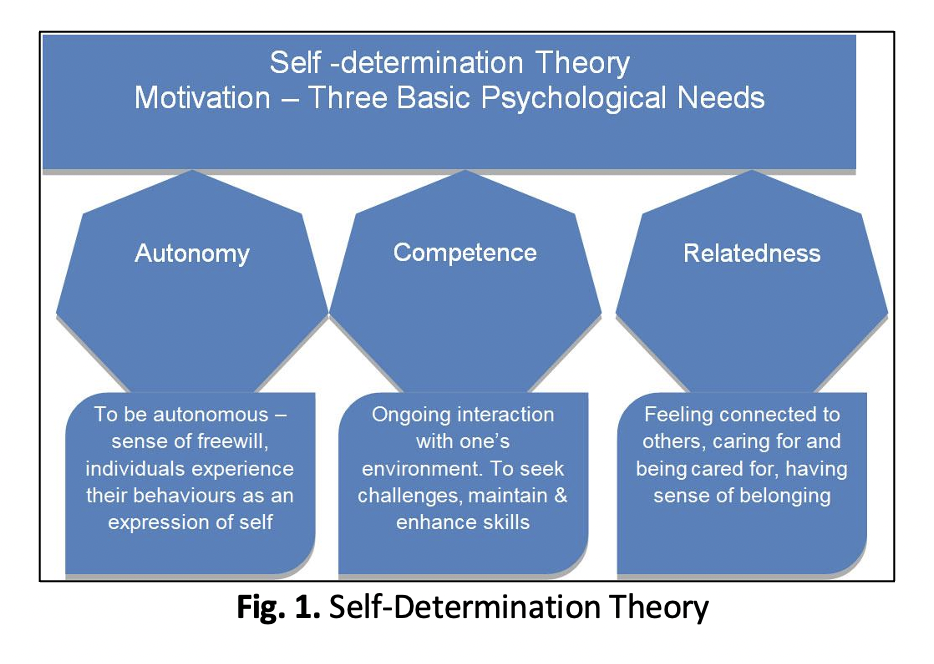
Artificial Intelligence (AI), particularly generative AI, is increasingly transforming built environment education. In design studio contexts, Design-Based Learning (DBL) emphasizes iterative design, reflective practice, creativity, and learner autonomy. However, existing research on AI integration in built environment education remains fragmented and lacks strong theoretical grounding, particularly regarding student motivation and engagement. This study addresses this gap by examining AI integration in DBL through the lens of Self-Determination Theory (SDT). A Systematic Literature Review (SLR) guided by the PRISMA 2020 framework was conducted using peer-reviewed studies from major academic databases. Relevant articles focusing on AI, DBL, and built environment education were selected using predefined inclusion and exclusion criteria and analyzed thematically. The review found that AI is widely used to support rapid prototyping, design visualization, iterative feedback, and creative exploration within DBL environments. Findings suggest that AI has the potential to enhance learner autonomy, competence, and engagement through personalized and flexible learning experiences. However, most existing studies remain descriptive and technology-focused, with limited theoretical discussion connecting AI use to psychological and motivational constructs. The study concludes that although AI offers significant potential to enhance design-based learning, its pedagogical integration remains under-theorized. By applying SDT as a conceptual framework, this review provides guidance for future research and supports educators in developing more pedagogically grounded and ethically informed AI integration strategies.

Author Biography

Nurhayati Zulkeply, College of Built Environment, Universiti Teknologi MARA (UiTM) Seri Iskandar, Perak, Malaysia

nurhayati@ucsiuniversity.edu.my

Downloads

Published

2026-06-16

Issue

Section

Articles