Semiotic Icon Design Framework for Reciting Quran (SIDFQ)

Authors

  • Nor Azura Kamarulzaman Department of Information Systems, Kulliyyah of Information and Communication Technology, International Islamic University Malaysia, 50728 Kuala Lumpur, Malaysia
  • Norasikin Fabil Faculty of Science and Technology, Islamic Science University of Malaysia, 71800 Nilai, Negeri Sembilan, Malaysia
  • Zulkifly Mohd Zaki Faculty of Science and Technology, Islamic Science University of Malaysia, 71800 Nilai, Negeri Sembilan, Malaysia
  • Roesnita Ismail Faculty of Science and Technology, Islamic Science University of Malaysia, 71800 Nilai, Negeri Sembilan, Malaysia
  • Zawawi Ismail Department of Language and Literacy Education, Faculty of Education, University of Malaya, 50603 Kuala Lumpur, Malaysia

Keywords:

Semiotic theory, Icon design element, Motivational design, Usability model, Acceptance model, Prototyping model, Reciting Quran, Youth

Abstract

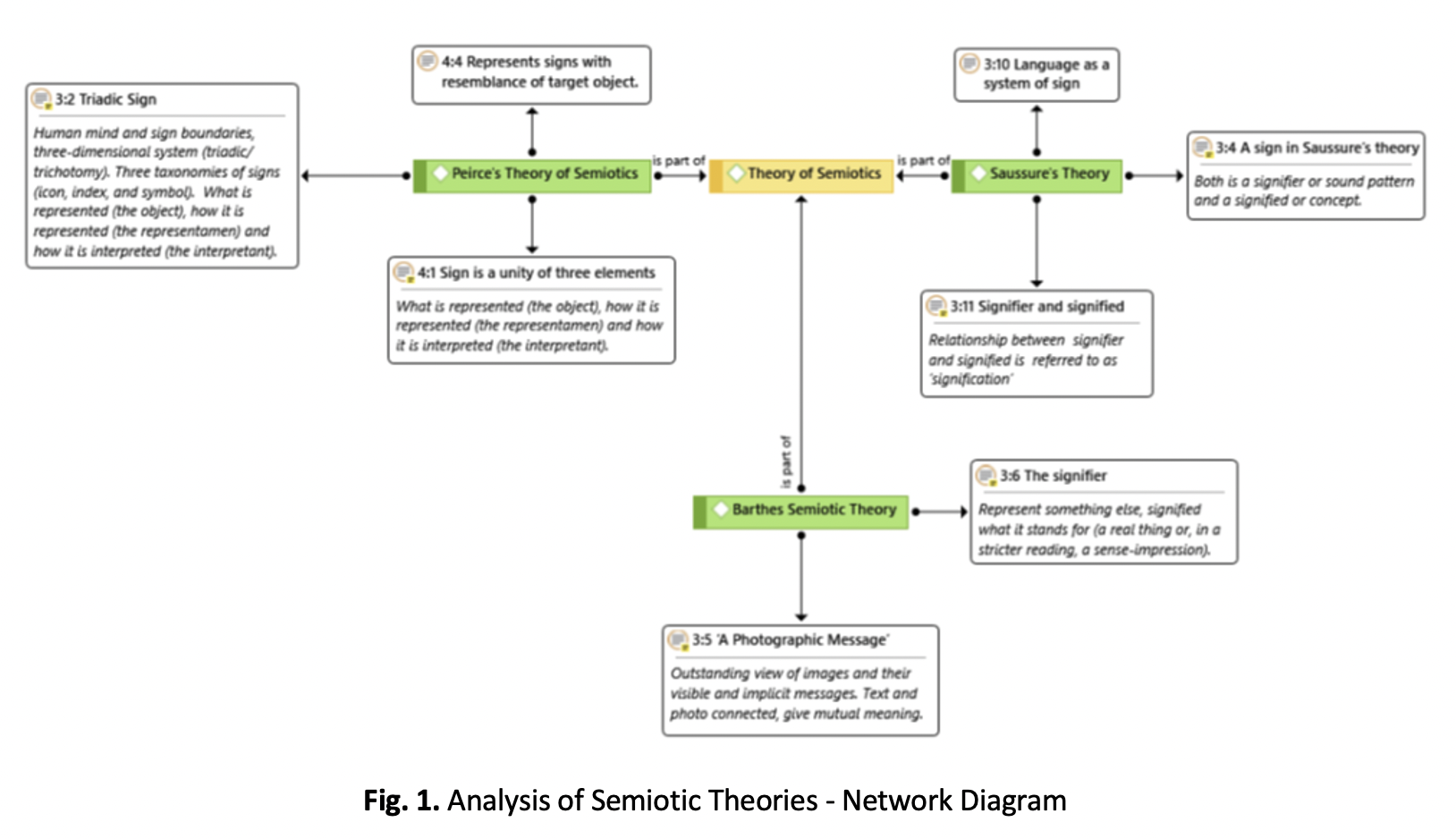
With the rapid growth of information and mobile technologies, icon design has been broadly applied in various fields to convey information faster to user. Icon design refers to process of creating visual symbols or icons that can communicate a specific meaning. Although icons are used widely in many fields, researcher found there are limited icon design studies in certain fields including the Quranic domain. The Quran contains broad and complex information, which can create challenges in knowledge acquisition. Previous studies found that Muslim youth have less motivation in reciting Quran due to low comprehension in Arabic. In addition, studies reported that youth lacked awareness in reciting Quran although many technologies are available. Muslim also faced difficulty to understand Quran content because it has its own interpretation and rich semantic of words. Therefore, the benefit of icon design can be extended to the Quran domain to assist in communicating messages. This study aims to propose the Semiotic Icon Design Framework for Reciting Quran (SIDFQ), a framework for designing the semiotic icons as supportive visual tools to visualize Surah genres and motivate youth to recite the Quran. Relevant journal articles and books published between 2017 and 2022 were retrieved from Google Scholar, Scopus, Science Direct, and ProQuest. The proposed framework integrates Peirce’s Theory of Semiotic, the ARCS Model of Motivational Design, the PACMAD Usability Model, and the Technology Acceptance Model (TAM) as its theoretical foundation. This study applied the Design and Developmental research approach (DDR), consisting of three phases: (1) the need analysis phase, (2) design and development phase, and (3) evaluation phase using an experimental post method with questionnaires as the main instrument. The framework incorporated the icon design elements for mobile applications identified from comparative study, namely: recognizable, color, simple, semantic, familiarity, and consistency. The findings of this study include the development of proposed theoretical framework, and conceptual framework for semiotic icon design which contribute to both the field of icon design and its application within the Quran domain.

Author Biographies

Nor Azura Kamarulzaman, Department of Information Systems, Kulliyyah of Information and Communication Technology, International Islamic University Malaysia, 50728 Kuala Lumpur, Malaysia

norazurakz@iium.edu.my

Norasikin Fabil, Faculty of Science and Technology, Islamic Science University of Malaysia, 71800 Nilai, Negeri Sembilan, Malaysia

norasikin.fabil@usim.edu.my

Zulkifly Mohd Zaki, Faculty of Science and Technology, Islamic Science University of Malaysia, 71800 Nilai, Negeri Sembilan, Malaysia

zulkifly@usim.edu.my

Roesnita Ismail, Faculty of Science and Technology, Islamic Science University of Malaysia, 71800 Nilai, Negeri Sembilan, Malaysia

roesnita@usim.edu.my

Zawawi Ismail, Department of Language and Literacy Education, Faculty of Education, University of Malaya, 50603 Kuala Lumpur, Malaysia

zawawiismail@um.edu.my

Downloads

Published

2025-12-14

Issue

Section

Articles