Enhancing Anatomical Understanding in Medical Education through Integrated 3D Printing Technology Modules
Keywords:
3D scanner, anatomy models, engaging game play, medical education, Real2ReplicaAbstract
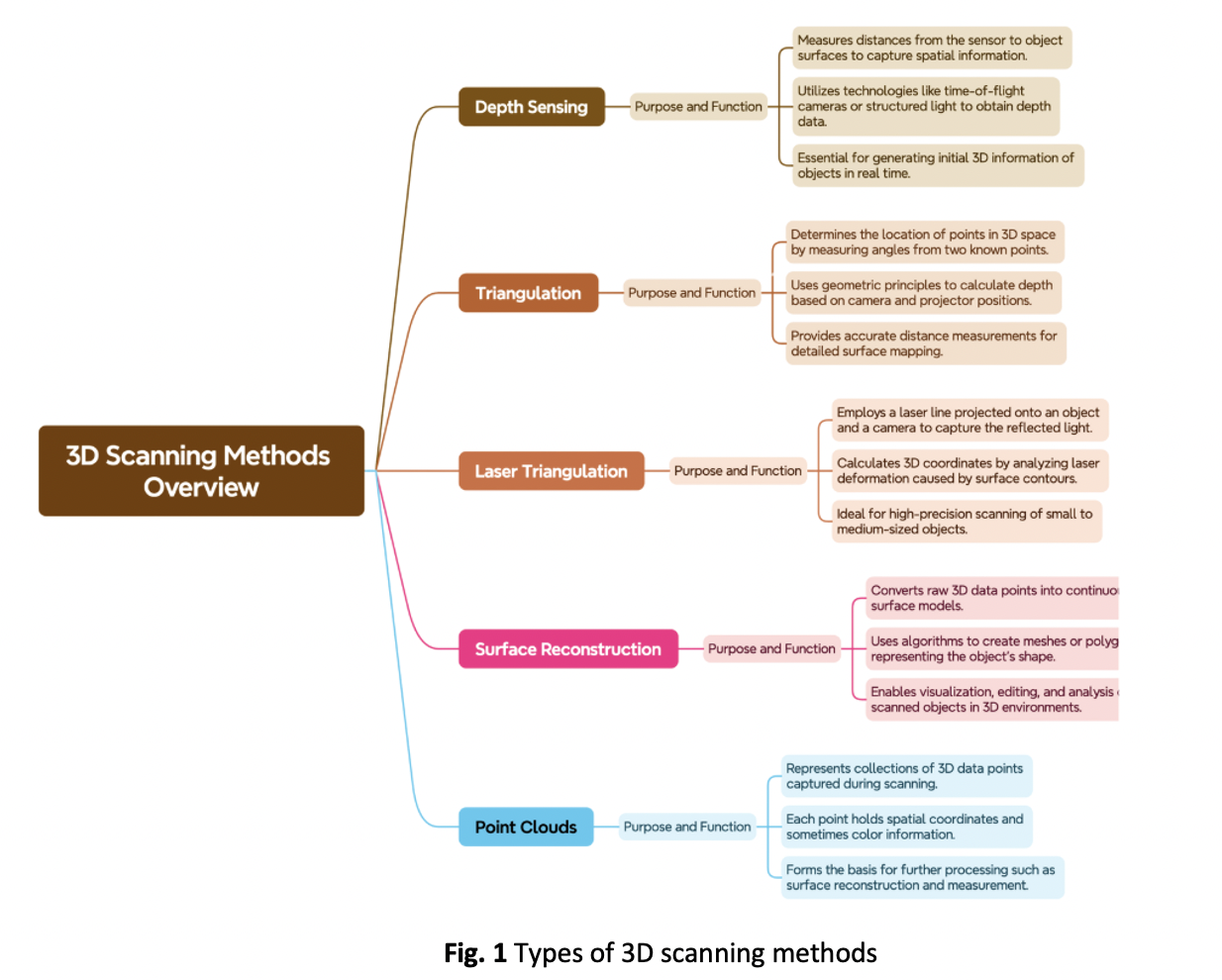
The application of 3D printing in the medical field has grown steadily in recent years, particularly in medical education, simulation, pre-surgical planning, and clinical training. This development is closely linked to the rising demand for high-quality healthcare and the need to better prepare future healthcare professionals. Despite this progress, many medical educators still face practical constraints, especially when access to physical teaching materials and anatomical specimens is limited. Conventional teaching methods, which rely mainly on textbooks, two dimensional images, and lectures, often make it difficult for students to fully understand the spatial relationships of complex anatomical structures. Therefore,, this study investigated the use of 3D printing as a supportive teaching tool. A workflow combining 3D scanning and 3D printing was adopted, allowing real anatomical specimens to be digitised and reproduced as physical models. Plastic organ specimens obtained from a biology laboratory were scanned using a 3D scanner to generate high-resolution digital files. These files were then processed and 3D printed to produce durable and realistic anatomical replicas that could be handled and examined by students. Alongside the development of the physical models, a teaching module known as Real2Replica was designed to integrate the 3D printed organs into structured learning activities. Both the models and the module were implemented in secondary school biology classes. The lessons included game-based activities, such as the Organ Matching Game and the Build a Human Body Puzzle, which encouraged students to actively engage with the material while reinforcing their understanding of human anatomy. Through the combination of hands-on interaction and guided classroom activities, students were able to explore anatomical structures in a more concrete and meaningful way. Overall, the integration of 3D-printed models within the Real2Replica module provides a practical, ethical, and cost-effective alternative to conventional teaching aids, while supporting learner-centred and experiential approaches that are central to 21st-century science education.