

Do park users feel satisfied and safe? Evaluation of Park Visitors’ Satisfaction with CPTED Infrastructure in Taman Merdeka, Johor Bharu

Authors

  • Siti Mazwin Kamaruddin Centre of Study for Town and Regional Planning, Faculty of Built Environment, Universiti Teknologi MARA, 42300 Puncak Alam, Selangor, Malaysia
  • Nuraina Syahirah Dollah Centre of Study for Town and Regional Planning, Faculty of Built Environment, Universiti Teknologi MARA, 42300 Puncak Alam, Selangor, Malaysia

Keywords:

CPTED, Public Parks, Park Planning, Park Management

Abstract

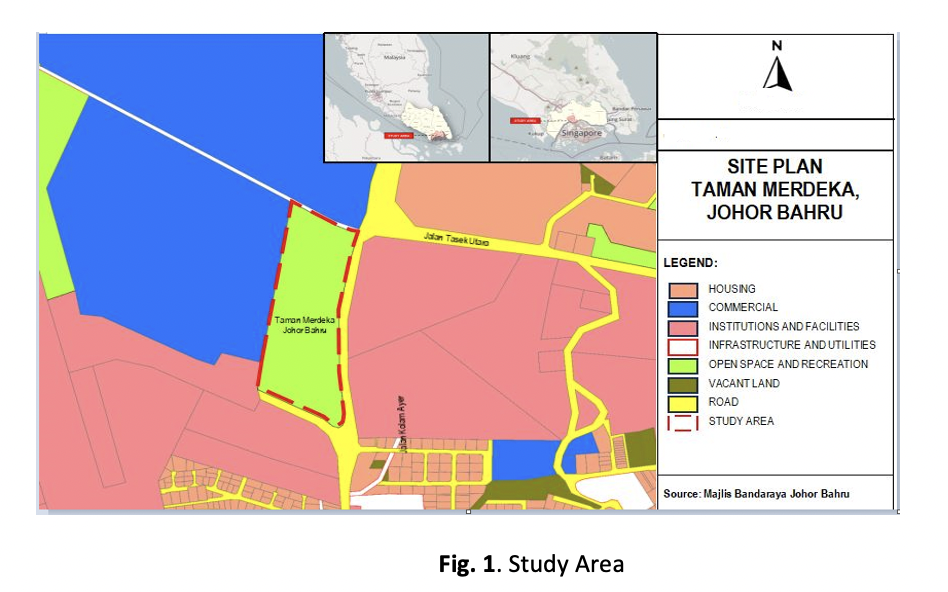
A public park is a green infrastructure in cities and acts as a social and health-related element in improving the quality of life of urban residents. Parks must be safe to satisfy the social and psychological needs of the community. This is an important concern for many local authorities. Many local authorities provide infrastructure and facilities for crime prevention through environmental design (CPTED) to improve the safety of users in parks, and increase their satisfaction with public parks, but do visitors feel safe from crime and satisfied with the park? This research aims to explore park users' feelings of safety and satisfaction with the CPTED facilities of an urban public park. The case study area is Taman Merdeka Johor Bahru Public Park. The method of sampling implemented was convenience sampling, involving 152 visitors to the park. The researchers conducted surveys during weekdays and weekends within 3 months. The data collection instrument was a questionnaire containing Likert-like scale queries. Descriptive statistics of frequencies and cross tabulation to present data in a meaningful way and reveal patterns or relationships within the data. The findings indicate that, on average, the visitors are quite satisfied with the provision of infrastructure. But the majority of respondents (89.5%) do feel fear of crime when they are in Taman Merdeka. The main factors that influence the fear of respondents are poor lighting implementation and a lack of landscape maintenance. A test of association using chi-square verifies that there is a significant association (p<0.05) between the variables worried about being a victim of crime, provision of lighting infrastructure and maintenance of landscaping elements. In this case, respondents have feelings of fear for safety from crime and view the implementation of more efficient CPTED safety infrastructure as required. The findings and proposed recommendations could assist local authorities and park managers in improving the formulation and implementation of CPTED in public parks.

Author Biography

Siti Mazwin Kamaruddin, Centre of Study for Town and Regional Planning, Faculty of Built Environment, Universiti Teknologi MARA, 42300 Puncak Alam, Selangor, Malaysia

sitim065@uitm.edu.my

Downloads

Published

2026-05-19

Issue

Section

Articles