Educational Programs on Cyberbullying and Online Ethics: The Plan and Strategy
Keywords:
Cyberbully, Online Etiquette, Cyberbullying Education Program, Educational Program Tertiary StudentsAbstract
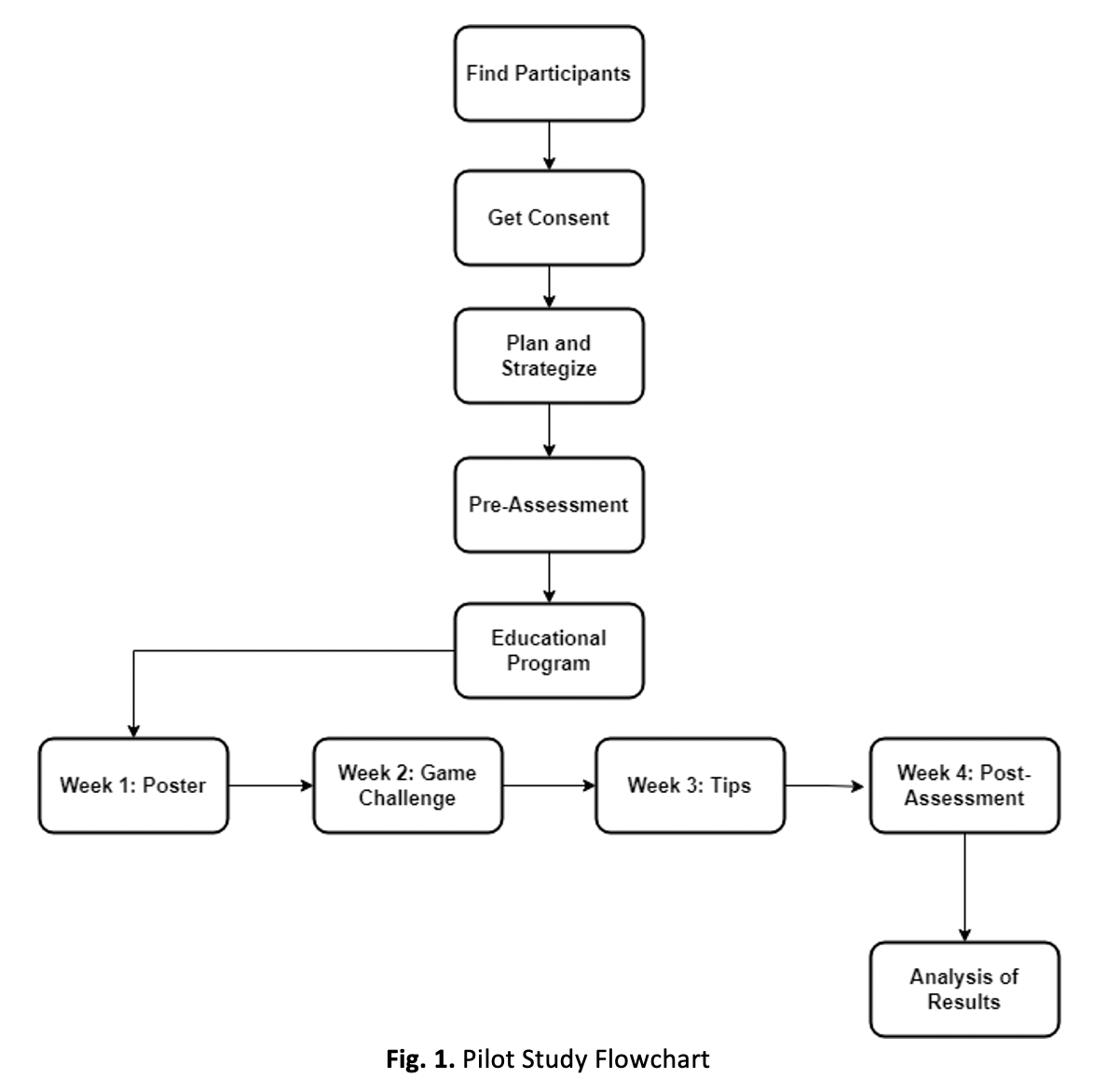
Cyberbullying encompasses various forms of bullying, harassment, and intimidation conducted through digital platforms. With the rising popularity of social media and other computer-mediated communication technologies, incidents of cyberbullying have notably surged. Social media platforms like TikTok, Instagram, X, YouTube, and Facebook provide bullies with a broader and more publicly visible arena to target their victims, irrespective of time or location constraints. The features of these platforms, including the high visibility and persistence of posted content, exacerbate the challenge for victims seeking refuge from their tormentors. Additionally, the anonymity or use of pseudonyms offered by many sites further facilitates cyberbullying by allowing bullies to conceal their identities from their victims. Within the context of tertiary education programs, cyberbullying remains a pertinent issue that demands attention. Tertiary students, often navigating their academic journeys with increased independence and reliance on digital platforms, are susceptible to various forms of cyberbullying. This research paper aims to propose detailed plan and strategy in accordance to providing educational programs for tertiary students ranging between 18 years old and 25 years old focusing on cyberbullying and online ethics issues which involve timelines before the educational programs were initiated, during the educational programs were conducted and result after the educational programs took place. The accuracy meter is used to measure the effectiveness of the strategy. Tertiary education programs must prioritize initiatives aimed at promoting digital citizenship, fostering respectful online behavior, and providing support services for students affected by cyberbullying. Educating students about the ethical use of technology, encouraging empathy and respect in online interactions, and implementing clear policies and procedures to address cyberbullying incidents are crucial steps toward creating a safe and inclusive learning environment for tertiary students. By addressing cyberbullying within the framework of tertiary education programs, institutions can better equip students with the skills and resources needed to navigate digital spaces responsibly and mitigate the harmful effects of online harassment.