Biochemical and Nutritional Potentials of Indigenous Nigerian Fermented Foods: Implications for Gut Health, Micronutrient Bioavailability, and Chronic Disease Prevention
Keywords:
Indigenous Nigerian fermented foods, Nutrient bioavailability, Probiotics, Gut health, Bioactive compounds, Chronic disease preventionAbstract
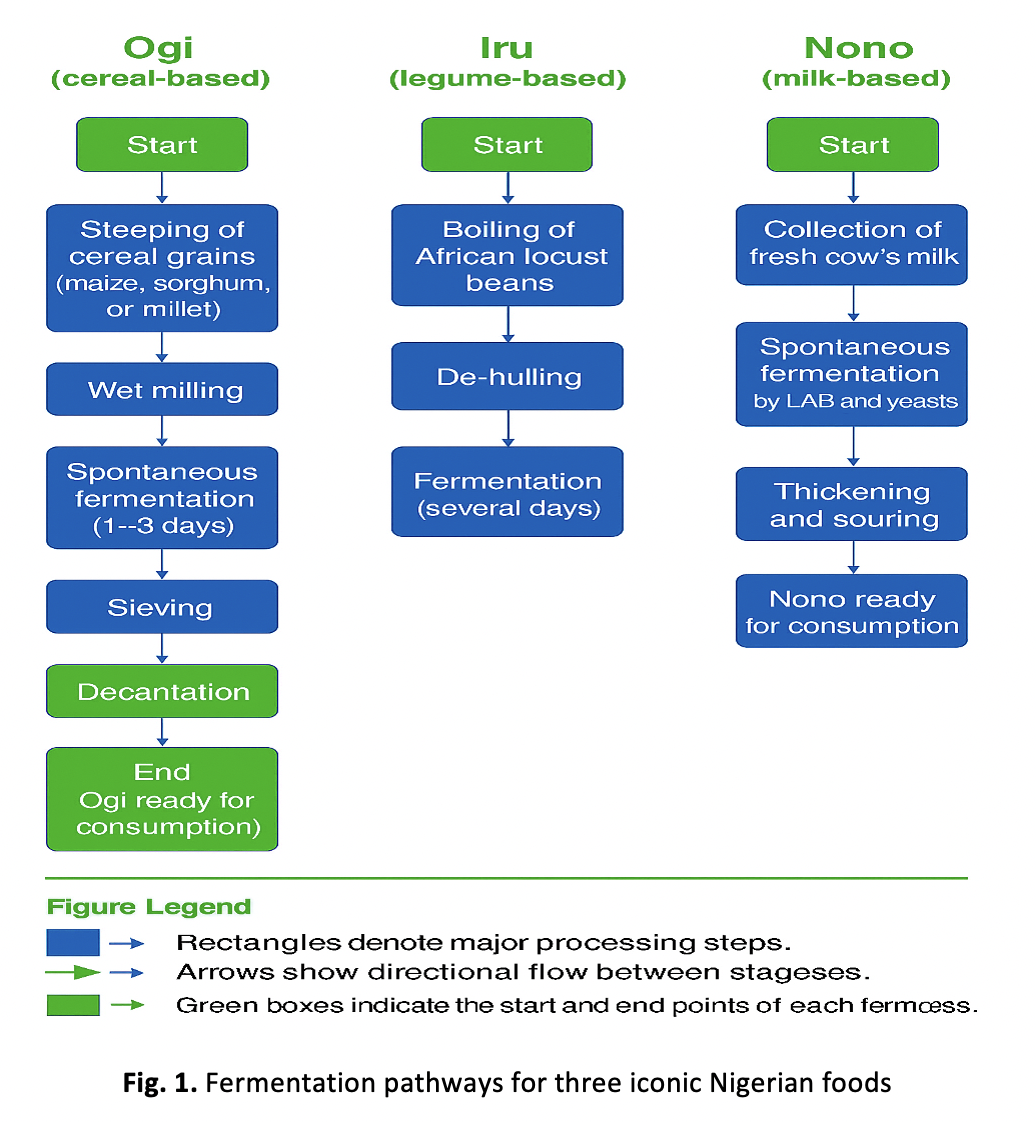
Indigenous Nigerian fermented foods represent a vital component of the nation’s dietary and cultural heritage, offering both nutritional sustenance and therapeutic potential. Produced largely through spontaneous fermentation, these foods—including ogi, kunu, iru, ugba, and nono—undergo profound biochemical transformations mediated by lactic acid bacteria, yeasts, and Bacillus species. This review synthesizes current evidence on their biochemical and nutritional potentials, with emphasis on gut health, micronutrient bioavailability, and chronic disease prevention. Fermentation significantly enhances the nutritional quality of cereals, legumes, and milk-based foods by increasing the synthesis of essential vitamins, amino acids, and bioactive compounds while reducing anti-nutritional factors such as phytates, tannins, and oxalates. These transformations improve mineral absorption, particularly of iron, zinc, and B vitamins, thereby addressing micronutrient deficiencies common in vulnerable populations. In addition, indigenous fermented foods are rich sources of probiotics and bioactive metabolites, including short-chain fatty acids, peptides, and polyphenols, which contribute to gut microbiota modulation, immune enhancement, and antioxidant defense. Evidence suggests that regular consumption of these foods may mitigate risks of chronic diseases such as type 2 diabetes, cardiovascular disorders, and inflammatory conditions, primarily through improved glycemic control, enhanced lipid metabolism, and anti-inflammatory signaling. Furthermore, fermentation-mediated reduction of mycotoxins and pathogen inhibition highlights their potential role in food safety. Despite these benefits, challenges remain regarding quality control and standardization, as traditional fermentation is often unregulated, leading to variability in safety and efficacy. Future perspectives emphasize the development of well-characterized starter cultures, application of omics-based tools for microbial and metabolite profiling, and clinical validation of health-promoting claims. In conclusion, indigenous Nigerian fermented foods exemplify sustainable, culturally relevant functional foods with the potential to combat malnutrition and chronic diseases, underscoring the need for their broader integration into modern dietary strategies.