Analysis of Energy Harvesting Utilization for Electrical Power Generation in Railway Systems using Electromagnetic Generators
Keywords:
Energy harvesting, electromagnetic generator, railway systems, electrical power generation, vibration energy, system efficiencyAbstract
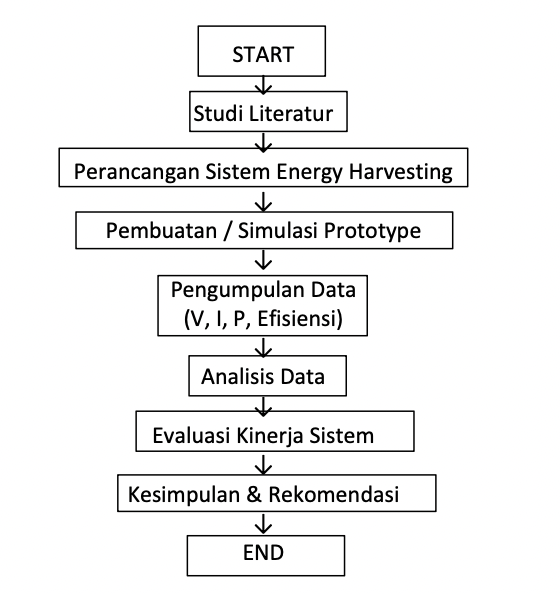
This study investigates the utilization of energy harvesting technology for electrical power generation in railway systems using electromagnetic generators. The increasing demand for electrical energy in modern railway operations, combined with the inefficiency of unused mechanical energy such as vibrations and wheel motion, highlights the need for alternative energy solutions. This research aims to analyze the potential of converting mechanical energy into electrical energy and to evaluate the performance of electromagnetic generators as a supplementary power source in railway applications. A quantitative approach was employed, combining experimental and analytical methods. The research stages include literature review, system design, data collection, and data analysis. The proposed system consists of key components such as permanent magnets, coils, mechanical structures, rectifier circuits, and energy storage devices. The working principle is based on electromagnetic induction, where variations in magnetic flux generate electrical voltage. Key parameters measured in this study include output voltage, current, electrical power, and system efficiency under varying operational conditions such as train speed and vibration frequency. The results indicate that higher train speeds and vibration frequencies significantly increase the induced voltage and power output due to the greater rate of change in magnetic flux. The generated current follows the same trend, resulting in higher electrical power under increased mechanical input. The system demonstrates the capability to supply sufficient energy for low-power applications, including sensors and monitoring systems in railway environments. Additionally, the system efficiency ranges between 50% and 70%, depending on operating conditions and system configuration. In conclusion, electromagnetic energy harvesting presents a promising and sustainable solution for utilizing wasted mechanical energy in railway systems. The technology can function as an additional or backup power source, improving overall energy efficiency and reducing dependence on conventional energy supplies. Future research should focus on optimizing system design and validating performance under real operating conditions.