Examining the Factors Affecting MSU Student’s Adoption of AI Tools
Keywords:
Adoption intention, perceived trust, perceived usefulness and perceived ease of useAbstract
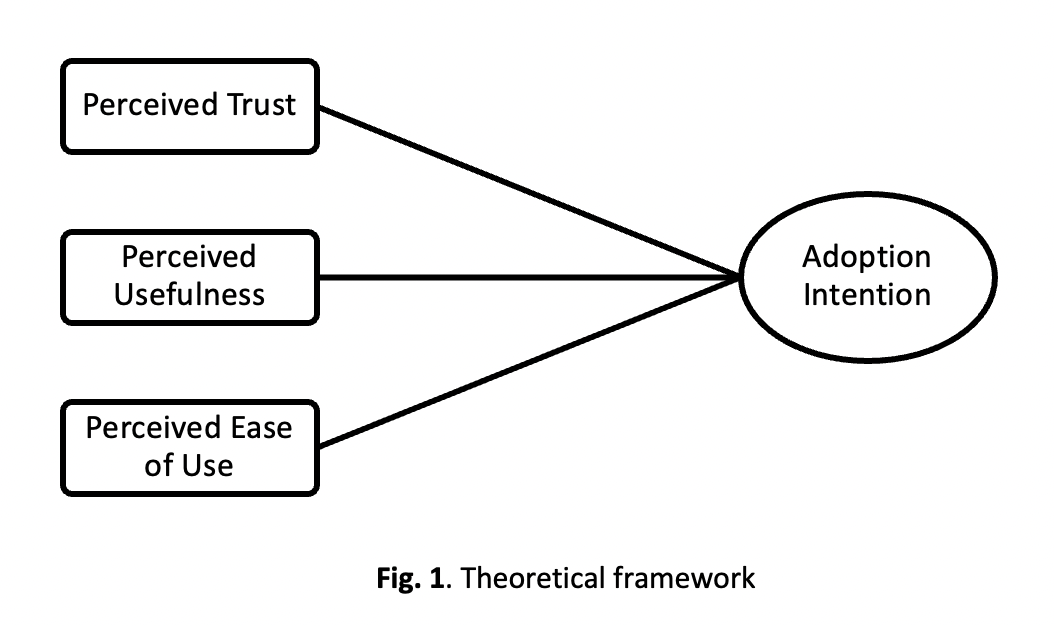
The purpose of this study is to examine the factors affecting Management & Science University (MSU) students' adoption intention of Artificial Intelligence (AI) tools for academic purposes. Specifically, this research investigates the influence of perceived trust, perceived usefulness, and perceived ease of use on students’ willingness to integrate AI tools, such as ChatGPT and Grammarly, into their learning routines. This study is grounded in the Technology Acceptance Model (TAM), which is extended to include perceived trust as a crucial antecedent to adoption. A quantitative research design utilizing a cross-sectional survey approach will be employed. The target population consists of MSU students, and the sample size is set at 400 respondents, determined using Krejcie and Morgan's (1970) table. Data will be collected using a structured questionnaire distributed via Google Forms. The collected data will be analysed using IBM SPSS Statistics Software, employing descriptive analysis, reliability, correlation, and regression techniques to test the hypotheses. It is hypothesized that perceived trust (H1), perceived usefulness (H2), and perceived ease of use (H3) will each have a positive effect on students’ intention to adopt AI tools. The anticipated findings will provide valuable insights for MSU policymakers and educators, offering a clearer understanding of the barriers and motivators to AI adoption. This knowledge will guide the development of effective strategies, training programs, and institutional policies to foster the ethical and successful integration of AI technologies, ultimately enhancing the student learning experience.Downloads
Download data is not yet available.