Students’ Perceptions on the use of Video Clips in Teaching and Learning
Keywords:
Video clips, instructional strategy, students’ perceptions, pedagogical effectiveness, student engagementAbstract
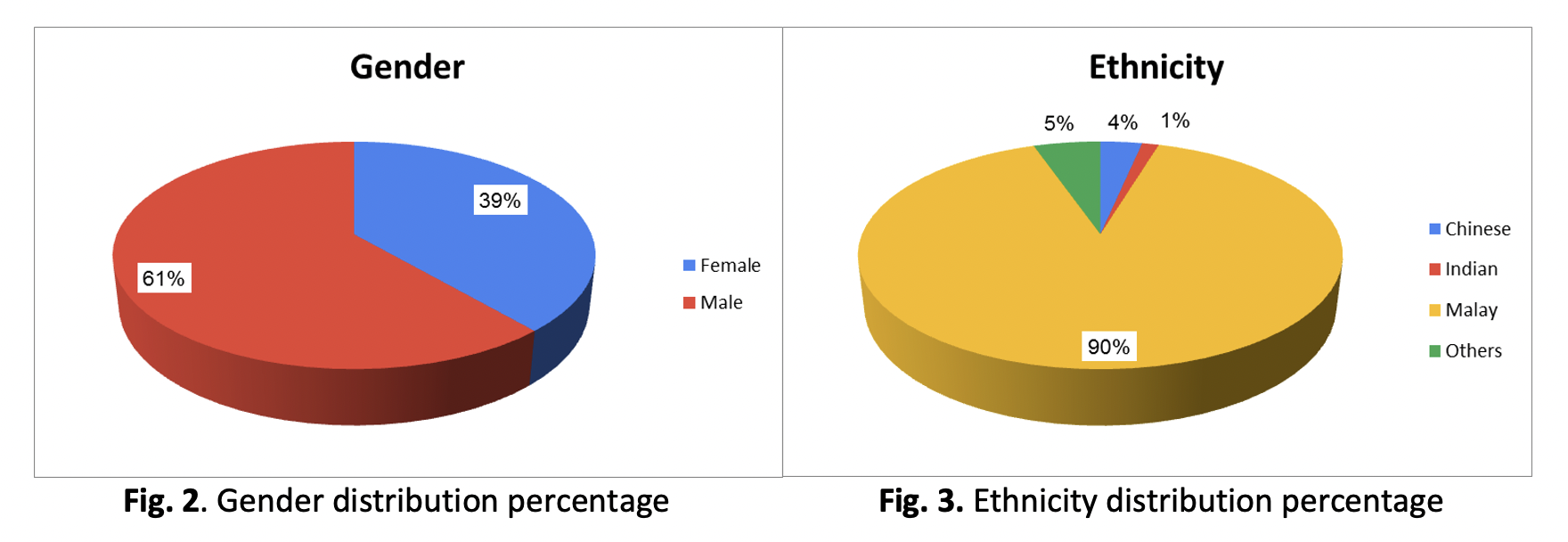
This study was conducted to examine the effectiveness of using video clips as an instructional strategy in teaching and learning, particularly within the context of secondary education. The integration of multimedia, especially video-based instruction, is widely recognized as a pedagogical approach that enhances comprehension, motivation, and student engagement. The study aimed to evaluate students’ perceptions of how video clips support understanding, learning experience, motivation, and instructional effectiveness. A quantitative survey using a Likert-scale questionnaire was administered to 150 secondary school students. Descriptive analysis was employed to identify frequency, percentage, and mean scores for each section of the instrument. The results show strong agreement among students regarding the use of video clips in learning. Across all twenty items, between 60% and 80% of respondents selected “Agree” or “Strongly Agree,” indicating high acceptance of video-based instruction. The mean scores for the four main sections, which are understanding (M = 4.10), perception (M = 3.87), interest and motivation (M = 3.80), and teaching effectiveness (M = 3.79), produced an overall mean score of 3.89. This indicates a generally positive perception of video-based learning. Students reported that video clips improved their understanding of lesson content, helped them visualize abstract concepts more clearly, and increased their motivation and interest in learning. They also agreed that video-assisted instruction supported better memory retention, strengthened the connection between lesson content and real-life situations, and improved their ability to answer lesson-related questions. These findings confirm that video clips function as an effective pedagogical resource that aligns with current learning needs. In conclusion, this study supports the integration of video clips in instructional design to enhance comprehension, motivation, and engagement. It is recommended that video materials be combined with guided discussions, reflective activities, and application-based tasks to maximize learning impact and promote deeper understanding.Downloads
Download data is not yet available.